Blog Feed

Tips for radiant and glowing skin you barely have to work for

As soon as the young boys and girls turns sixteen , especially the girls tend to have pimples, blackheads and whiteheads because of hormonal changes and other physical developments. After it grows on your face it will leave a dark spot scar that will definitely ruin up your radiant looks and drop down your confidence. 

However, here are tips for you to follow and see for yourself the radiance and glow of your facial skin after the nightmare of having pimples!

General Skin Care and Maintenance: 
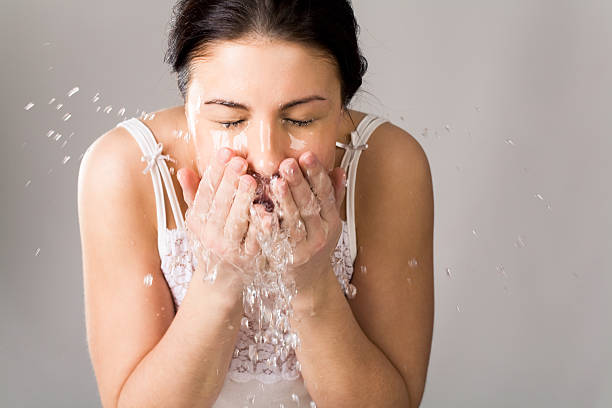
cleanse your face for radiant look

Cleanse your make-up off thoroughly before going to bed for it may be clogged the pores or cause irritation if you do not do so. If you are so tired from work or school always use ice as face pack for it helps in relaxing and refreshing the face.

Homeroom tip that can be useful too is that mix turmeric powder, cream, sandal powder, gram flour and make a paste and apply to face for half-an-hour daily before taking bath as it will make your face soft and glowing for the whole day.

Also, mix a quarter cup of honey with a quarter teaspoon ground cloves and apply on face and leave it for about fifteen minutes then rinse it off.

And here are the unbeatable ways that you should do in order to maintain a beautiful and radiant face. Drink plenty of water and eat balanced diet! Got it?

Easily pimples appears in the skin and looks awkward.  Here are pimple treatment basics for you to be guided in clearing those pimples around. Use homemade products so that it is affordable and also safe t. First, apply a paste made from nutmeg, pepper and a little water on the pimples and let it dry then wash it off after. 

Fried Foods easily causes pimples and spoils radiant look.

Avoid taking oily foods, sweets, fries and potatoes instead take a lot of fresh fruits and vegetables with your diet. Use only medicated soap by physicians if possible to avoid spreading it then never pinch out your pimples for it may cause scar on your face.

However, if there are pimple scars on your face that makes it dark and dull then you should try bleaching it using the safest way. 

Take note that bleaching has chemicals that merge into the skin and lighten facial hair. Scientifically speaking it is not removal of superfluous hair but it makes it considerably less noticeable. The three kinds of bleach are all unkind to skin and its harmful effects vary from person to person.

Face mask for clear radiant skin

Homemade method for bleaching can be done by mixing 2 tablespoons of milk powder, mix in an enough liquid hydrogen peroxide and form thick paste and if hair is very dense, mix 1-2 drops of liquid ammonia. This is considered to be the least harmful way of bleaching since the powder milk in the mixture moisturizes the skin while bleaching, preventing skin burns and other harmful reactions. 

The next bleaching way is the powder bleach. Mix the bleaching powder with liquid hydrogen peroxide and ammonia to form a thick paste liquid.

Bleaching to have a fairer skin and a radiant white beauty is not bad at all but make sure you are doing it the safest way to have no regrets at the end. Make sure to take good care of your face and always be hygienic to avoid it getting harm. It is always better to prevent than to cure a facial problem.
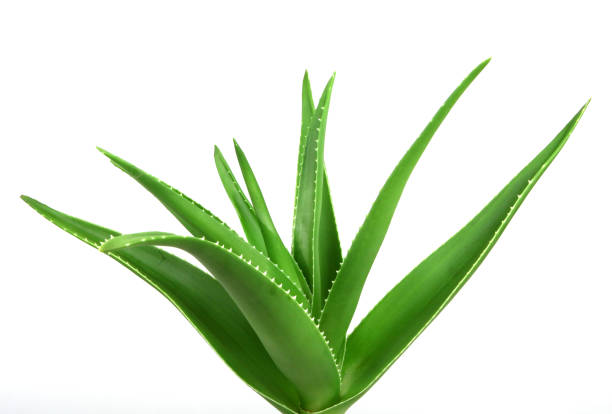
Aloe vera: The Miracle Plant Its Medicinal and Traditional Uses

Aloe Vera could be a member of the Liliaceae.

Aloe Vera Plant

Aloe vera is a succulent that appears loads sort of a succulent and is thought by numerous names like the burnt plant, the miracle plant, the natural expert and the medicine plant.

Although there area unit quite 200 species of Aloe vera, only a few have medicinal properties, and of these Aloe Vera Barbadensis is the most beneficial.

The Aloe vera plant reaches maturity at regarding four years ancient.

The outer leaf of Aloe vera is sleek and rubbery and within is that the gel and sap that is harvested, preserved and bottled to give either a juice or when combined with other ingredients creams, lotions and gels. About 96% of the plant is water.

The rest is created of minerals like Mg, zinc, copper, chromium and the antioxidant selenium, vitamins including the antioxidants C, E and beta carotene, 20 of the 22 amino acids needed by the body as well as seven of the eight that can’t be factory-made by the body, sugars, enzymes and fatty acids.

The combination of those parts includes a additional powerful impact along than they might severally.

This is as a result of every enhances the impact of the opposite, an occurrence that is known as synergism.

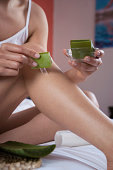
Aloe vera natural gel used as moisturizer for skin.

Aloe Vera works in 2 completely different areas; by promoting healing or preventing injury to the animal tissuetissues (the skin, the lining of the gut, the bronchial tubes, etc) and by balancing the immune system when its antioxidants fight the free radicals produced by our metabolism and pollutants in the environment.

When taken internally, Aloe Vera is soothing to digestive tract irritations, such as colitis and peptic ulcers. The anti-inflammatory fatty acids are also helpful for the stomach, small intestine and colon. It alkalises the digestive juices preventing overacidity – a common cause of indigestion.

Aloe vera juice internally does many miracles

Amongst several alternative ailments that are helped by Aloe vera area unit inflammation, Irritable Bowel Syndrome, constipation and haemorrhoids.

Conditions that area unit improved by reconciliation the system area unit inflammatory disease, asthma, ME (post viral fatigue syndrome) and LE (lupus).

When applied to the skin Aloe vera improves an outsized type of skin complaints like skin disease, psoriasis, ulcers, burns, stings, acne, bites, scrapes, abrasions, scalp care, sore muscles, cold sores, bruises, sprains and frostbite to name but a few!

More recent studies show Aloe vera will facilitate prolong survival time and stimulate the system of cancer patients.

This is part by fighting free radicals with its inhibitor properties and conjointly by stimulating the white blood cells inflicting the discharge of immune-activating and antineoplastic substances like interferons, interleukins and tumour necrosis factor.

These properties of Aloe vera have conjointly created it a good a part of a nutrition support program for HIV patients; resulting in fewer occurrences of infections like thrush, fatigue and diarrhoea and an increase in the number of white blood cells meaning a boost to their immune system.

15 Hair care myths, Must read!

15 Hair Care Myths

Everyone features a favorite story concerning hair care – and that we typically ne’er let the reality get within themanner of a decent legend!

This article examines a number of the foremost wide celebrated – and therefore the reality behind the myths.

Hair washing doesn’t harms hair


1. Excessive washing of hair causes hair loss/dryness
FALSE:
Frequency of washing doesn’t harm hair.

Wash it as typically as you wish, although the recommendation is three times a week.

The right shampoo for your hair sort and texture can truly add wet, body and beauty to your hair.


2. More shampoo = cleaner hair
FALSE:
Don’t waste your shampoo!

A small indefinite quantity of shampoo, about the size of a quarter is usually enough for long hair.

Very long hair may take a little more.

3. Conditioner helps repair split ends
FALSE:
No conditioner can “repair” damaged hair.

What it will do is sleek down the cuticle and create hair appear in higher condition.

A good conditioner also can forestall harm from occurring within the initial place.


4. Blow-drying produces hair loss

FALSE: Blow-drying will harm, burn or dry hair, which can cause it to fall, but the hair will grow back immediately.

This is not permanent hair loss.

5. Sleeping with wet hair causes scalp fungus

FALSE: Scalp or plant life diseases can’t be caught from sleeping with wet scalps.

Scalp infections need previous involvement with infected sources like humans, tainted hair care tools or animals.

Scalp fungus (tinea capitis) mainly affects children, whose immune systems make them more susceptible to skin infections.

6. To induce your hair to grow, brush 100 strokes each day

FALSE: Brushing that abundant will harm the hair cuticle.

NOT recommended!

Actually, your hair reacts higher to a comb than a brush.

Brushing it’ll solely cause split ends and hair breakage.

7. Sharing combs and brushes will unfold scalp diseases


TRUE: Lice and other parasites can be transported from scalp to scalp through the sharing of combs, brushes and other hair care tools.

8. Cutting hair makes it grow quicker and/or thicker

FALSE: This common thought comes from the actual fact that hair is thicker at the bottom than it’s at the tip, so shorter hair appears thicker at first.

Cutting your hair doesn’t have an effect on its traditional biologically determined rate or overall texture.

Thin, limp or fine hair won’t ever grow thicker in response to a haircut.

Plump up your hair by exploitation volume enhancing hair care product, experimenting with a hair finished blunt cut or obtaining a texturizing perm or color treatment.


9. Color treatment causes hair loss

FALSE: Most hair coloring product contain chemicals which will do serious damage to the hair itself if not properly used, but it wont instigate hair loss.


10. Salon products are identical to drugstore products

FALSE: though there square measure exceptions, salon products generally contain higher quality, more expensive ingredients that are designed to consistently provide more intensive cleansing, moisturizing and conditioning results.

The quality ingredients found in salon product aren’t typically found in pharmacy brands.


11. Long sun exposure favors hair loss

FALSE: Your hair acts as a defend against the sun.

Hair loss seems at the vesicle level and then the sun would ought to penetrate at this depth to try to to any harm.


12. Diet is related to hair loss

TRUE: it is important to eat right so as to be typically healthy.

However, no individual food has been proved to be useful or prejudicial to hair.


13. Stress causes hair loss

TRUE: Severe stress (e.g. surgery or a death in the family), can shut down hair production, causing temporary hairloss (alopecia areata).

The scalp typically recuperates, though, and hair grows back

14. carrying tight braids, ponytails or buns causes hairlessness

TRUE: Traction phalacrosis may be a terribly real hair loss condition that’s quite common amongst older African yankee ladies.

It results from carrying tight ponytails, cornrows or buns over associate degree extended amount of your time.

Over time, hair breakage or loss because the results of tight, stressed styles, can become permanent.

Avoid this potential downside by choosing looser designs that minimize scalp tension.


15. Smoking causes gray hair
TRUE: Smokers are four times more likely to have gray hair than non-smokers.

Even worse, smoking has been once and for all connected to accelerated hair loss.

Introduce Yourself (Example Post)

This is an example post, originally published as part of Blogging University. Enroll in one of our ten programs, and start your blog right.

You’re going to publish a post today. Don’t worry about how your blog looks. Don’t worry if you haven’t given it a name yet, or you’re feeling overwhelmed. Just click the “New Post” button, and tell us why you’re here.

Why do this?

  • Because it gives new readers context. What are you about? Why should they read your blog?
  • Because it will help you focus you own ideas about your blog and what you’d like to do with it.

The post can be short or long, a personal intro to your life or a bloggy mission statement, a manifesto for the future or a simple outline of your the types of things you hope to publish.

To help you get started, here are a few questions:

  • Why are you blogging publicly, rather than keeping a personal journal?
  • What topics do you think you’ll write about?
  • Who would you love to connect with via your blog?
  • If you blog successfully throughout the next year, what would you hope to have accomplished?

You’re not locked into any of this; one of the wonderful things about blogs is how they constantly evolve as we learn, grow, and interact with one another — but it’s good to know where and why you started, and articulating your goals may just give you a few other post ideas.

Can’t think how to get started? Just write the first thing that pops into your head. Anne Lamott, author of a book on writing we love, says that you need to give yourself permission to write a “crappy first draft”. Anne makes a great point — just start writing, and worry about editing it later.

When you’re ready to publish, give your post three to five tags that describe your blog’s focus — writing, photography, fiction, parenting, food, cars, movies, sports, whatever. These tags will help others who care about your topics find you in the Reader. Make sure one of the tags is “zerotohero,” so other new bloggers can find you, too.